
The renowned tenor, Andrea Bocelli, once said, “If an artist wants to move the listener, he or she must have something intense and convincing to tell through the singing. This something comes from experiences and insight: it is the inner wealth that you can acquire by living.”
There is so much to unpack in that fabulous quote. First, that we must “move” the audience, so that they will experience a profound depth of feelings. To that end, our technique must be refined enough to serve as the vehicle for our moving the listener to experience the emotional content of the music. Second, that the performers “must have something intense and convincing to tell.” That the conductor, each performer, and the ensemble as a whole has solidified an interpretation based on the intent of the composer and has agreed on how that will be presented. And third, that our individual and collective life experiences are what we draw from as that “inner wealth” we use to inspire our music making.
Bocelli’s words are as profound as they are obvious, as easy to understand as they are difficult to fully grasp. But to me, honoring his sentiment makes what we do so intensely human and powerful.
Peter Loel Boonshaft, Director of Education
KHS America
The content of this Blog article or Banded Story is the intellectual property of the author(s) and cannot be duplicated without the permission of KHS America and/or the author(s). Standard copyright rules apply.
RECENT BOONSHAFT'S BLOG POSTS

#305. Every Child Needs A Cheerleader!
I once was speaking with a perspective college first-year student about his musical studies in high school. He spoke about the ensembles and classes he had, his experiences in solo and ensemble contests, his times at all-state band, and all the things we would...

#304. Everyone Around Us
One of my favorite quotes, one that I think truly encapsulates our profession, is by the remarkable Socrates, who said, “We cannot live better than in seeking to become still better than we already are.” Think about it; isn’t that what we all do? When we go to summer...
#303. Targeted Scatter
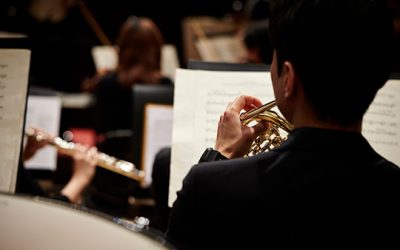
In my last blog, I wrote about the idea of using scatter seating in rehearsals. The virtues of this approach can’t be overstated. Another related idea is using what I call “targeted scattering.” So often I ask my alto saxes to sound like the horns when they are...
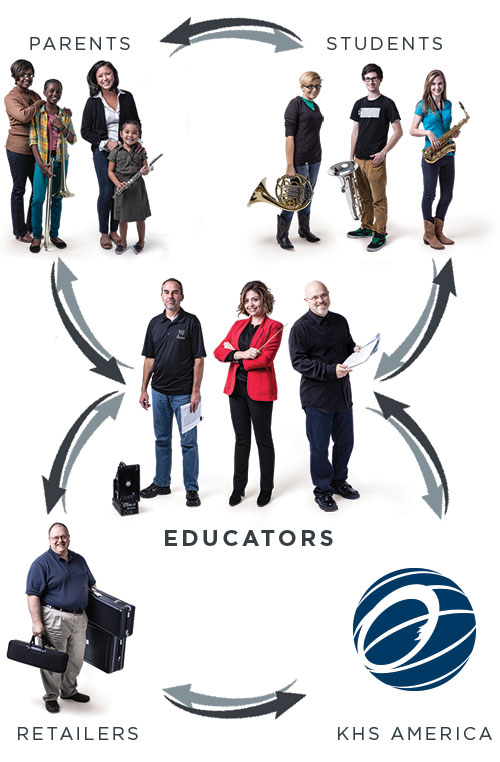 We look forward to the evolution of this exciting program, and welcome feedback on how we can further enhance the work that you do in music education.
We are excited to offer your program the opportunity to join the KHS America Academic Alliance today.
We look forward to the evolution of this exciting program, and welcome feedback on how we can further enhance the work that you do in music education.
We are excited to offer your program the opportunity to join the KHS America Academic Alliance today.