
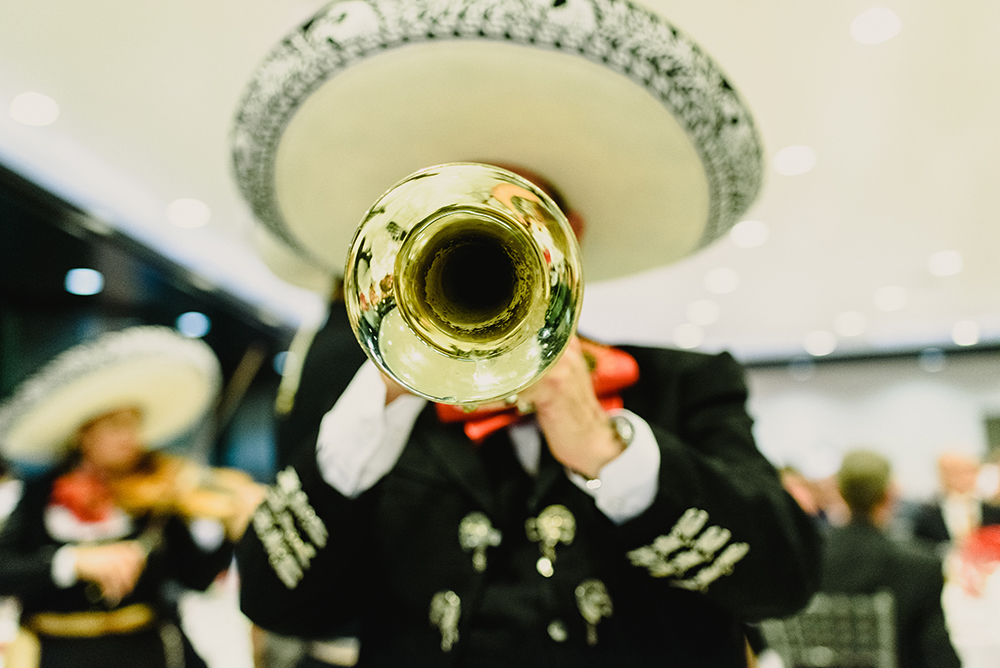
Mariachi trumpet playing is a vibrant and expressive art form that blends the technical rigor of classical trumpet pedagogy with the stylistic nuances of Latin American music traditions. While rooted in the principles of brass pedagogy, mariachi trumpet has evolved to include expressive techniques and performance practices that differ significantly from those of traditional orchestral or band settings. As educators and musical ambassadors, our goal is to equip students with the foundational skills necessary to perform confidently while embracing the unique characteristics that define mariachi trumpet performance. This article provides an in-depth look at how to develop a strong foundation for mariachi trumpet while honoring its distinct characteristics. It draws from classical pedagogy, explores stylistic elements like articulation and vibrato, and emphasizes the importance of listening and modeling to achieve a professional mariachi sound.
Bridging Classical Pedagogy with Mariachi Style
At its core, mariachi trumpet playing shares many of the same fundamentals as classical trumpet pedagogy: air control, tone production, flexibility, and scale proficiency. These elements serve as the building blocks for every note played. However, mariachi introduces distinct stylistic elements such as vibrato, articulation, and phrasing that require specialized attention. These elements are often influenced by jazz, salsa, pop, and other popular genres, making mariachi trumpet a dynamic and physically demanding discipline.
Warm-Ups and Fundamentals: Preparing the Body and Mind
Warm-ups are essential for preparing the muscles of the face, body, and fingers, stabilizing the airstream, and centering tone. They also help students transition into a focused mindset for music-making. Exercises such as long tones, lip slurs, and flexibility drills, taken from method books like Schlossberg’s Daily Drills, Bai Lin’s Lip Flexibilities, Michael Davis Warm-Ups, and James Stamp’s Method, and many more, form the backbone of a daily practice routine. A few minutes of intentional warm-up can significantly improve range, flexibility, and overall performance. Structured warm-up routine not only helps maintain range and endurance but also reinforces healthy habits that prevent injury in a physically demanding genre like mariachi. Key reminders during warm-up include taking relaxed, full breaths, maintaining a balanced embouchure, and avoiding unnecessary tension. Musicians should treat warm-ups as both a technical and mental preparation stage, an opportunity to focus on airflow and tone before engaging in more demanding passages. We have to remember that the human body is constantly changing. By engaging in focused, repeated exercises, you retrain the muscles to resist instability and develop consistency. These practices are designed to cultivate discipline and unify mental focus with physical control. Over time, measurable results emerge through this repetition.
Air and Sound: The Foundation of Tone
A strong, uninterrupted airstream is the key to consistent tone and projection. Exercises should include air attacks (‘P’ entrances), dynamic control (ppp to ff), and relaxed note production. Training both the body and mind to feel comfortable with every note is crucial. Incorporate slow and lyrical lip slurs using methods such as Schlossberg Daily Drills, Bai Lin Flexibilities, Michael Davis Warm-ups, and James Stamp Method. Flow studies and exercises help students develop control, endurance, and musicality. It ensures that the air is constantly and consistently moving in and out comfortably without too much resistance or tension. Efficient air foundation allows the player to develop his own sound and make music with pleasure and satisfaction.
Articulation: The Mariachi Tongue
Mariachi trumpet articulation is one of its most defining features. Like classical tonguing, mariachi uses a different variety of syllables that shapes the attack and style of each note differently: Tu (regular), Du/Thu/Da (legato), Ti/Ta (staccato), accented staccato, and double/triple tonguing including flutter tonguing. All these articulations are to be played more aggressive and accented to convey the proper mariachi style. These techniques should be practiced with a metronome and incorporated into daily routines. Method books such as Arban’s Conservatory Method, H.L. Clarke Technical Studies, and Chris Gekker’s Articulation Studies offer excellent exercises to reinforce these skills.
Vibrato: The Soul of Mariachi Trumpet
If articulation gives mariachi trumpet its rhythmic identity, vibrato provides its soul. Vibrato is arguably the most unique identifier of the mariachi trumpet sound. It shapes phrases and defines stylistic interpretation adding depth to melodies. Teaching proper vibrato involves understanding its anatomy often described as ‘Meh’ phrasing, similar to imaginary chewing while having your embouchure set. Students should work on vibrato exercises that transition from straight tone to vibrato, developing control and flexibility in both solo and section settings. Key principles include: vibrato should be above the centered note, use symmetrical patterns (eighths, triplets, sixteenths), maintain constant air support from the diaphragm, and adjust vibrato based on style and phrasing. Common mistakes to avoid include swelling vibrato (‘Wah’), excessively wide vibrato, fast goat-like vibrato, downward-centered vibrato(flat tuning), and unsymmetrical execution.
Integrating Method Books and Listening
Mariachi trumpet pedagogy benefits greatly from integrating traditional method books with genre-specific exercises. Consider incorporating any proper trumpet fundamental books. Equally important is listening to great trumpet players of all genres. Exposure to professional recordings helps students internalize sound concepts and stylistic interpretation. Recommended trumpet artists include: Phil Smith, Doc Severinsen, Jose Hernandez, Cipriano Silva, Crescencio Hernandez, Wayne Bergeron, Maurice Andre, Yuliesky Gonzalez, Alison Balsom, Arturo Sandoval, and Gerardo Rodriguez and many more.
Encourage students to listen daily not just to their instructors or peers, but to a wide range of professionals across genres. A fundamentally great trumpet sound transcends musical styles and serves as a model for all players.
Final Considerations
Teaching mariachi trumpet is a rewarding endeavor that combines technical mastery with cultural expression. By grounding students in classical fundamentals and guiding them through the stylistic intricacies of mariachi, educators can cultivate confident, expressive performers. Our aim is to prepare versatile trumpet players who understand and perform mariachi authentically, while also possessing the skills to succeed in any musical genre. Whether you’re working with beginners or advanced students, the key is consistency, creativity, and a deep appreciation for the mariachi tradition. With the right approach, we can inspire the next generation of trumpet players to carry this vibrant musical heritage forward.
DAVID MORENO, a Rio Grande Valley native, holds degrees in Trumpet Performance and Music Education from UTRGV, where he has served as Mariachi Trumpet Lecturer and Assistant Mariachi Director since 2019. With over 15 years of performance experience spanning mariachi, salsa, classical, and jazz, he has performed at prestigious venues including the Hollywood Bowl, Kennedy Center, and the White House for President Obama. David has toured with Grammy-winning artist Aida Cuevas, performed with major symphonies, and served as a guest clinician at mariachi workshops nationwide, elevating Hispanic music and cultural traditions on national and international stages.
The content of this Blog article or Banded Story is the intellectual property of the author(s) and cannot be duplicated without the permission of KHS America and/or the author(s). Standard copyright rules apply.
 We look forward to the evolution of this exciting program, and welcome feedback on how we can further enhance the work that you do in music education.
We are excited to offer your program the opportunity to join the KHS America Academic Alliance today.
We look forward to the evolution of this exciting program, and welcome feedback on how we can further enhance the work that you do in music education.
We are excited to offer your program the opportunity to join the KHS America Academic Alliance today.